Every day millions of females are delivering high amounts of toxins and chemicals straight into their bloodstream. How is this happening? Through the use of chemically laden feminine hygiene products. Many of these products are full of industrial contaminants that enter your body through the vaginal wall disrupting a healthy vaginal microbiome.
Unfortunately, a lot of women don’t know the importance of keeping their vagina healthy, not just “clean.” That’s why in this article I’m sharing all the facts about the vaginal microbiome, feminine hygiene products, and all-natural alternatives to maintain a clean, healthy vagina.
What is the Vaginal Microbiome?
I’m sure you’ve heard about the gut microbiome, it’s all the rage in functional medicine, and for good reason. What you may not know is that the vaginal microbiome is also critical to your overall health. In fact, your body has many different microbiota (yep, bet you didn’t expect that plural!) Your vaginal microbiome is no longer the ugly stepsister, it should be heralded as much as the one inside your gut.
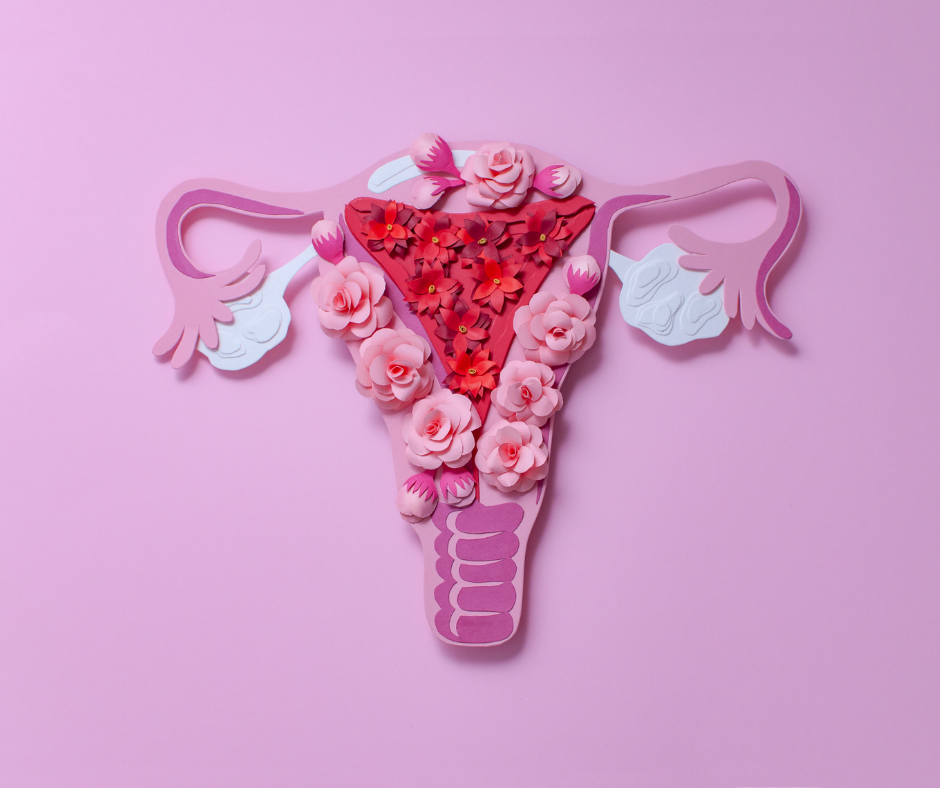
The vaginal microbiome refers to the intricate balance of bacteria, yeast, and viruses living there and it is critical to keeping women healthy.
It is the first line of defense against infections “down there.” When the vaginal microbiome is out of whack, or the balance of bacteria is disrupted, the result is an elevated pH. You also become more prone to STDs, and when pregnant, pregnancy loss and premature labor.
The vaginal microbiome is a crucial part of feminine hygiene and health. A healthy microbiome can support your health in a few different ways:
- Lowers your risk of catching an STD
- Lowers your risk of UTI, yeast infection, and bacterial vaginosis
- Lowers your risk of HPV infections, cervical cancer, and genital warts
- Lowers your risk of developing pelvic inflammatory disease
- Lowers your risk of infertility from tubal disease
- Lowers your risk of complications and risks during pregnancy like preterm labor and postpartum endometritis
Also, listen up expecting momma’s, your vaginal microbiome can impact the health of your baby during vaginal delivery. It’s one of the most important ways a baby’s own gut microbiome develops and it helps protect them from allergies and autoimmune diseases!
What Affects the Health of the Vaginal Microbiome?
There are several factors that affect the health of your vaginal microbiome. Most are also lifestyle factors that you can change. That’s good news!
(If you’re interested in more info about your reproductive health check out this article on seven ways lifestyle factors can affect your reproductive health!)
Antibiotics
These kill the good bacteria in your vagina and make it ripe for an overgrowth of yeast. You may not take any prescription antibiotic medication, but that doesn’t mean you aren’t consuming antibiotics through the meat you eat. Gross, right.
Standard American Diet
The standard American diet is full of sugar and processed food. There’s nothing yeast and pathogenic bacteria (bad bacteria) like more than those two things.
Gut Dysbiosis
An imbalance in your intestines from conditions like colitis, IBS, heartburn, bloating, constipation, diarrhea, belching, bad breath, or excessive flatulence can most certainly cause an impact in your vagina.
Alcohol
While moderate alcohol consumption is okay, too much of it and you can kill the good bacteria that lives in your vagina.
Fragrances and Chemical Exposure, Toxins, Changes to Your Vaginal pH
These all fall under the same category because one causes the other. For example, the fragrances and chemicals found in your personal care products not only release toxins in your body but can also change your vaginal pH.
RELATED: SEVEN WAYS LIFESTYLE CHOICES CAN AFFECT YOUR REPRODUCTIVE HEALTH
Feminine Hygiene Products, Friend or Foe?
There are a lot of feminine hygiene products out there. Just stroll down the personal care aisle at Walmart and you’ll see an entire section dedicated to “feminine hygiene.” While the FDA offers recommendations, there are no actual regulations for these products. Which means anything can sneak its way in.
Synthetic fragrances, bleaches, foams, gels, anti-bacterial agents, and surfactants are all examples of the ingredients that find their way in your feminine hygiene products. I’m talking about your pads, tampons, douches, “pH balancing gels,” and the like.
Now that you know your feminine hygiene products are more closely related to foe than friend, let’s talk about the toxic chemicals found in most of these products.
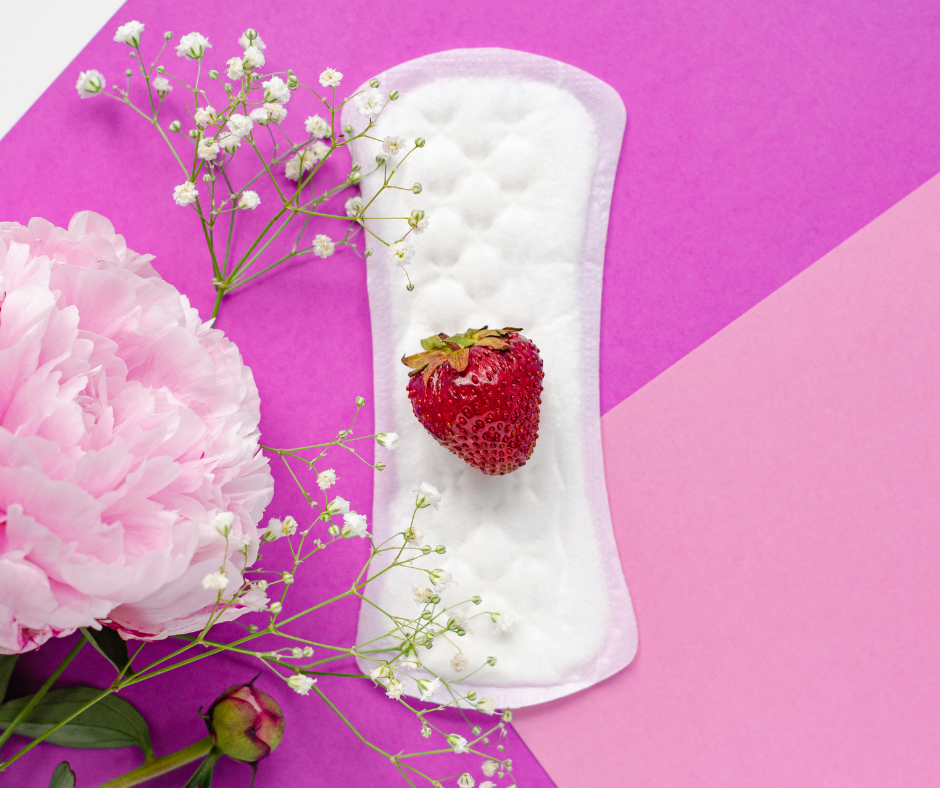
Synthetic fragrances, bleaches, foams, gels, anti-bacterial agents, and surfactants are all examples of the ingredients that find their way in your feminine hygiene products. I’m talking about your pads, tampons, douches, “pH balancing gels,” and the like.
Toxic Chemicals in Feminine Hygiene Products
Vaginal tissue is more absorptive than other skin. This makes hormone-disrupting chemicals found in feminine hygiene products especially concerning. Chemicals of concern commonly used in feminine care products include carcinogens, reproductive toxins, endocrine disruptors, and allergens.
Many gels and washes marketed towards females contain ingredients approved by the FDA for “external use only.” That’s interesting when you consider the application and use of most feminine washes.
Moreover, research shows that many over-the-counter feminine hygiene products may be harmful to the vaginal microbiome and alter the vaginal immune environment. Not to mention that many endocrine-disrupting chemicals can cause:
“alterations in sperm quality and fertility, abnormalities in sex organs, endometriosis, early puberty, altered nervous system function, immune function, certain cancers, respiratory problems, metabolic issues, diabetes, obesity, cardiovascular problems, growth, neurological and learning disabilities”
All-Natural Feminine Hygiene Alternatives
So, you’re probably wondering, if conventional feminine hygiene products are so harmful, what are the alternatives. First off, let’s get this straight, the vagina is like a self-cleaning oven. It doesn’t need help balancing its pH with external gels and washes.
In situations like a yeast infection or bacterial vaginosis, you will want to work with a functional medicine doctor who can prescribe a treatment protocol to help heal you and find the root cause of your symptoms.
Some feminine hygiene products are a necessity like pads or tampons. Here are my recommendations:
- Organic/Natural Pads and Tampons
- Menstrual Cups
- Period Underwear (without synthetic material)
Work With A Holistic Health Coach
Ready to take back your health? Interested in other ways to maintain a healthy vaginal microbiome like balancing your blood sugar, healing your gut, and getting rid of autoimmune disease?
Reach out to me via my contact page and let’s talk about how you can get started!
Mandy Patterson