A lot of my clients ask me, “How can I afford to buy organic food, it’s so dang expensive!” Trust me, I know where you’re coming from. I have a big family of six and sometimes our grocery bill makes me want to cringe. Inflation and the supply chain issues from the last two years don’t help the situation. That’s why I’m here to tell you that buying organic on a budget is possible!
Believe it or not, it’s totally possible to afford organic food. All it takes are a few creative ideas and a little savvy shopping. You won’t be able to go to the grocery store without a list or a plan and expect to save money. No, it’s going to be a little more preparation than that, but if it’s money you’re trying to save, the extra effort is worthwhile.
I’m going to share my six tips for buying organic on a budget but first, let’s talk about why buying organic is important in the first place.
Why Buying Organic is Important
You can pay the farmer or you can pay the doctor. That’s an ominous statement but it’s the truth. Organic food supports your health, the health of your children, and the health of the planet. Meanwhile, non-ogranic food is full of chemicals like pesticides, antibiotics, and growth hormones.
Listen, organic food is good for you. Research shows that organically grown food has higher amounts of Vitamin C, magnesium, phosphorous, and iron. Organic fruits and vegetables are high in nutrients and antioxidants. Data also shows that organic milk contains far more omega-3 fatty acids than conventional milk.
Certified organic food avoids the use of most synthetic pesticides found in conventional agriculture. That’s something you want because pesticides have been linked to birth defects, obesity, diabetes, ADHD, and other health problems. Additionally, synthetic hormones that are usually found in meats and dairy products have been linked to premature reproductive development in females.
What are the “Clean 15” and “Dirty Dozen?”
You get what you pay for, but sometimes it isn’t possible to buy everything organic. When that happens, it’s important to make wise decisions on what you do buy. One way to do that is to understand the “Clean 15” and “Dirty Dozen.”
Some conventionally grown fruits and vegetables contain more pesticide residue than others. According to the Environmental Working Group (EWG), conventionally grown fruits and vegetables that contain minimal pesticide residue are part of the “Clean 15.” While the “Dirty Dozen” are the 12 conventionally grown fruits and vegetables identified as typically having the most pesticide residue.
Pesticides have been linked to birth defects, obesity, diabetes, ADHD, and other health problems. Additionally, synthetic hormones that are usually found in meats and dairy products have been linked to premature reproductive development in females.
The “Clean 15”
- Avocados
- Sweet corn
- Pineapple
- Onions
- Papaya
- Sweet peas (frozen)
- Eggplant
- Asparagus
- Broccoli
- Cabbage
- Kiwi
- Cauliflower
- Mushrooms
- Honeydew melon
- Cantaloupe
The “Dirty Dozen”
- Strawberries
- Spinach
- Kale, collard, and mustard greens
- Nectarines
- Apples
- Grapes
- Cherries
- Peaches
- Pears
- Bell and hot Peppers
- Celery
- Tomatoes
Knowing which produce is considered safer will help you make decisions when you’re trying to live a healthy lifestyle but also need to choose between apples or avocados.
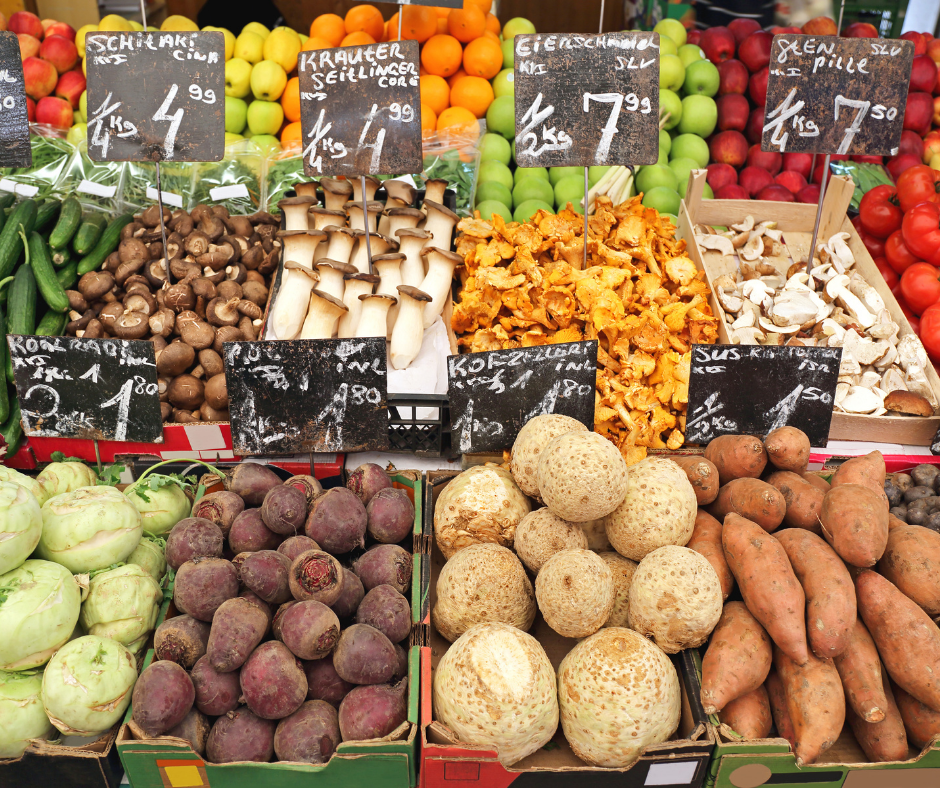
Research shows that organically grown food has higher amounts of Vitamin C, magnesium, phosphorous, and iron. Organic fruits and vegetables are high in nutrients and antioxidants. Data also shows that organic milk contains far more omega-3 fatty acids than conventional milk.
Guide to Buying Organic on a Budget
You’re ready to invest in buying organic, but you still need to stick to your budget. Here are six tips you can realistically implement to start incorporating organic food into your lifestyle (and keep your wallet happy).
Start a Garden
The easiest way to know where your food comes from is to grow it yourself. Starting a garden can feel intimidating at first, but it will bring you so much joy once you master it! Plus, to ensure you don’t have to use pesticides yourself you can plant certain plants and flowers to keep pests away like cosmos and buckwheat.
Buy Seasonally
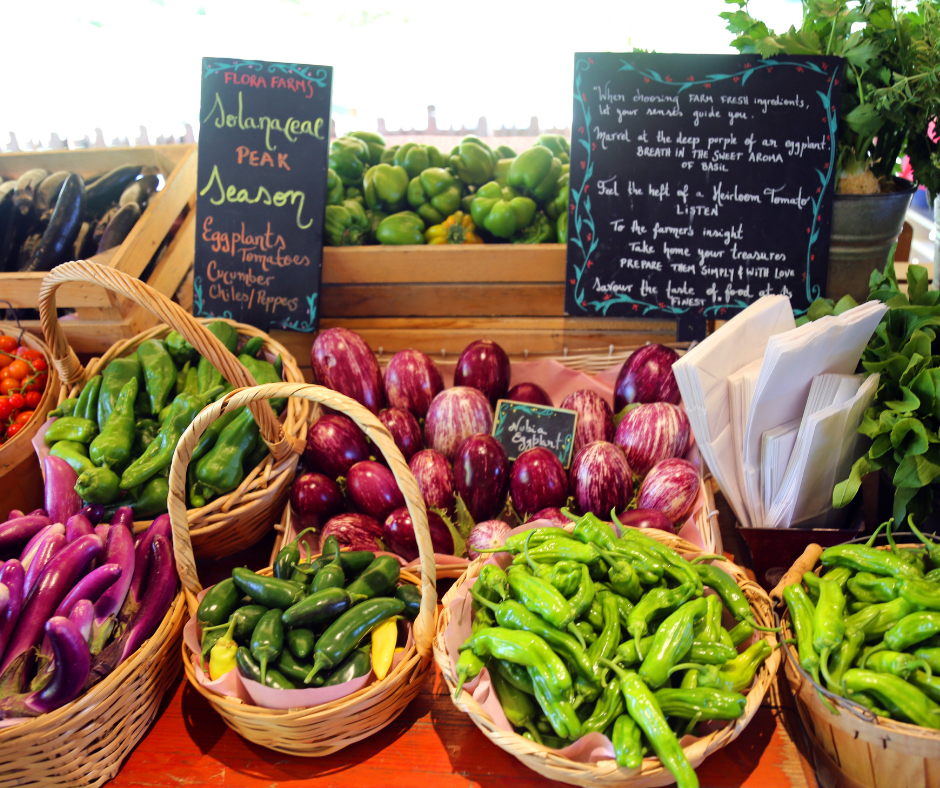
Buy seasonally available fruits and vegetables to keep costs down. The produce doesn’t have to travel as far which cuts costs for the consumer. Plus, food that’s harvested at its peak retains much of the vital nutrients that our bodies need to stay healthy during specific times of the year. For example, there’s a reason citrus fruit is in season during the winter and contains the vitamin C your body needs to fend off the flu.
Join a CSA
CSA stands for community-supported agriculture and is a great way to support your local farmer while also reducing the cost of organic food. To join a CSA simply find an organic farmer in your area and ask if they offer a CSA membership. If you are single or afraid that you may not be able to eat all the produce you get, consider splitting the CSA with a friend.
RELATED: SHOP FOR HEALTH AND SUPPORT
Buy Store Brand
Most stores have their own organic brand. For example, if you are at Walmart you can purchase their brand of organic milk versus Organic Valley or another brand name milk. It’s usually significantly cheaper and it’s still organic. Aldi, Kroger, Publix, and Whole Foods all offer their own organic store brands.
Buy from a Farmer’s Market
If you’re not ready to go all-in and join a CSA but you still want to support local farmers and try to eat seasonally, buy from a farmer’s market. If you are savvy you can usually find good deals. Look for the farmer who sells fruit and vegetables that may not be the prettiest but are still just as healthy and organic as the rest.
Buy Online
We live in a world where you can now order food straight to your door thanks to the internet. There are several online retailers that sell organic food products online. Some may require a subscription but if you purchase the food regularly it more than pays for itself, not to mention the time you save from driving to the grocery. A few of my favorite online retailers include Jovial, Azure Standard, and Thrive Market.
Work with a Holistic Health Coach
Learning how to live a healthy lifestyle can feel daunting, especially when you’re just starting out. Remember, no one goes it alone. You need people in your corner to encourage you and provide a helping hand when you need it.
That’s what I do as a Certified Holistic Health Coach. I support you in all things health from buying organic on a budget to balancing your hormones and even starting a fitness regimen. If you want to get started with my one-on-one coaching, fill out my contact form and we’ll be in touch!
Mandy Patterson